
Medically reviewed by Dr. Priya Prakash (Rheumatologist, board certified) | Last updated: March 20, 2026
What Is Trigger Finger? Symptoms, Causes, Diagnosis & Treatment
Trigger finger is a condition in which a finger or thumb catches, clicks, pops, or locks when you try to bend or straighten it. It happens when the flexor tendon and its sheath no longer glide smoothly, often because the tendon is too swollen or the pulley is too tight. Many cases improve with rest, splinting, anti-inflammatory care, and steroid injection, while more severe or persistent cases may need a release procedure or surgery.
If you’re searching what is trigger finger, the simplest answer is that it is a tendon-gliding problem in the hand that makes a finger move unevenly or get stuck. Some people notice a painful click first, while others develop morning stiffness, tenderness in the palm, or a finger that locks in a bent position. A rheumatologist, hand specialist, orthopedist, or primary care clinician can help confirm the diagnosis and create an individualized trigger finger treatment plan based on severity, duration, and whether the digit still moves freely.
finger
Trigger finger can affect any finger or the thumb, and it may involve one or several digits. It is often related to repetitive gripping, local tendon irritation, diabetes, inflammatory disease, or age-related tendon-sheath thickening. Because finger stiffness can also come from arthritis, tendon injury, Dupuytren-related changes, or nerve problems, getting the diagnosis right matters.
Table of Contents
- What Is Trigger Finger? Simple medical definition
- Trigger finger at a glance
- Common trigger finger patterns
- Trigger finger symptoms (what it feels like)
- Causes & risk factors
- How trigger finger is recognized
- Comorbidities & related conditions
- Prognosis (what to expect long-term)
- Understanding trigger finger: complete condition explanation
- Trigger finger vs Dupuytren’s contracture
- Diagnosis: exam, imaging, testing
- Treatment: symptom relief + long-term recovery
- Treatment targets (locking, pain, hand function)
- Trigger finger vs arthritis stiffness (quick table)
- When to seek urgent care
- Downloadable trigger finger symptom checklist
- Related conditions (internal links)
- FAQs
- Conclusion + next steps
What Is Trigger Finger? Simple Medical Definition
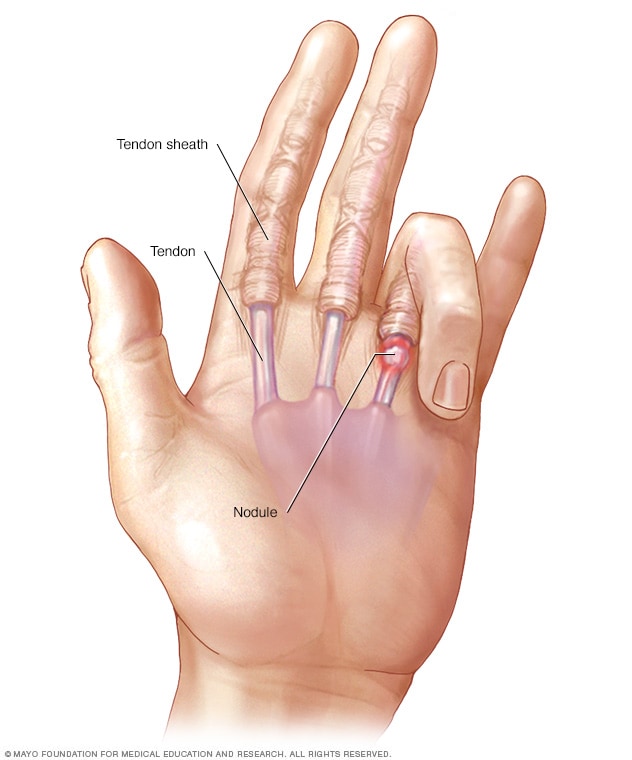
Trigger finger, also called stenosing flexor tenosynovitis, is a condition in which a flexor tendon catches as it passes through a constricted pulley system in the hand, most commonly at the A1 pulley. In short, clinically, what is trigger finger? It is a stenosing tendon-sheath disorder that causes clicking, catching, painful locking, or difficulty straightening a finger or thumb.
Trigger Finger at a Glance
Clicking or locking The finger may catch or snap during movement
Pain in the palm Tenderness is often felt near the base of the affected finger
Morning stiffness common Symptoms are often worse after rest
Thumb can be affected too Trigger thumb is a common variation
Treatment is often effective Splinting or injection helps many patients
Trigger finger is not simply “stiff fingers.” It is usually a tendon-and-pulley gliding problem that can often be treated effectively.
Common Trigger Finger Patterns
Trigger finger may range from mild clicking to a finger that locks and must be straightened with the other hand. Some patients have only morning catching, while others develop painful locking during the day or a finger that remains bent. Clinicians often think about the condition by severity, whether the thumb is involved, how many digits are affected, and whether there are associated conditions such as diabetes or inflammatory arthritis.
Early catching pattern Clicking or popping without fixed locking
Painful locking pattern Finger catches and releases with pain
Fixed bent pattern Finger may remain stuck in flexion
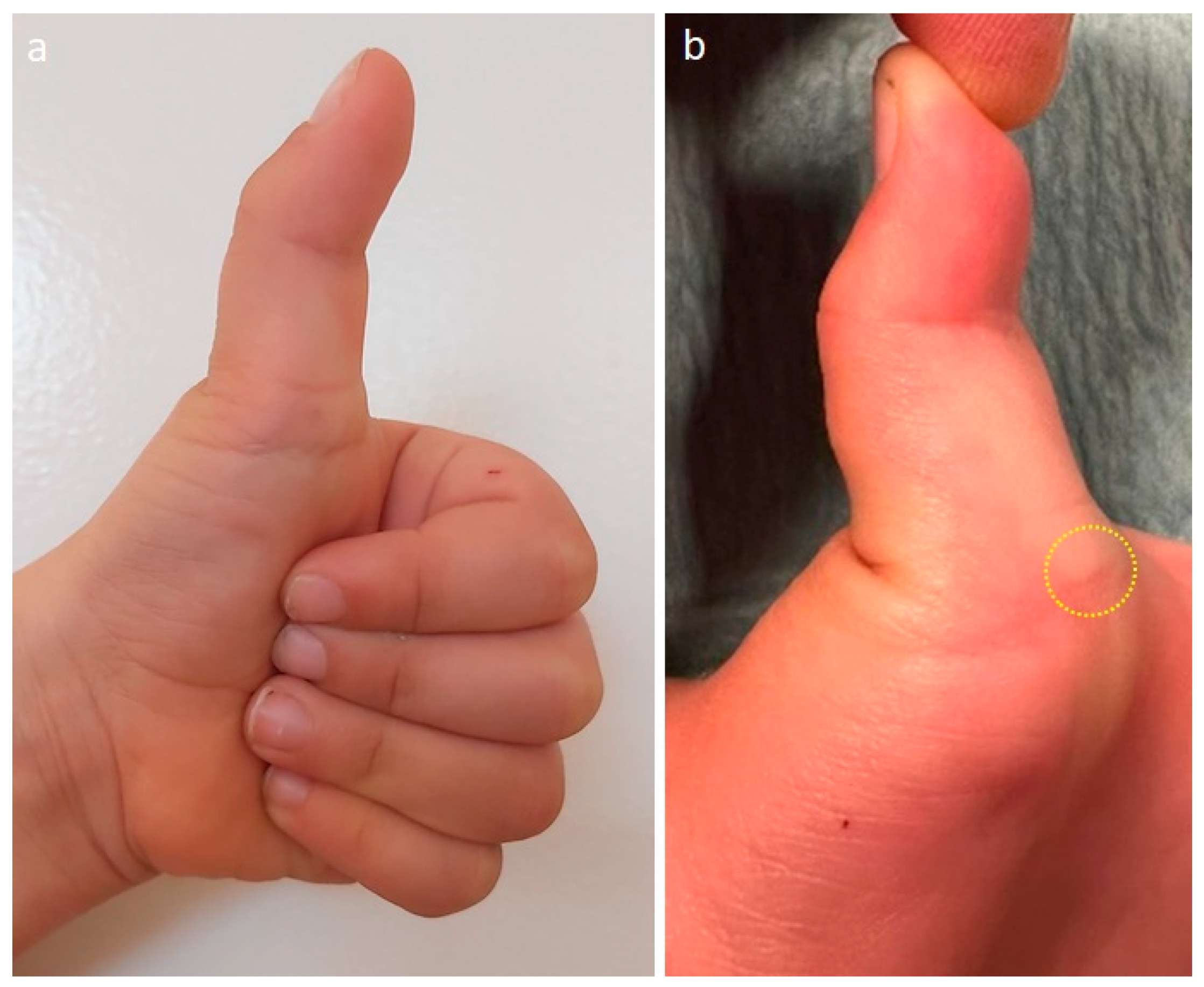
Trigger thumb Thumb involvement with clicking or inability to straighten smoothly
Multiple-digit pattern More than one finger is involved, sometimes with systemic risk factors
Trigger Finger symptoms (what it feels like)
Typical trigger finger symptoms include clicking, popping, locking, stiffness, pain at the base of the finger, and difficulty straightening the digit smoothly. Many patients notice symptoms most strongly in the morning or after gripping activities. Some people can feel a tender nodule in the palm, while others must use the other hand to straighten a locked finger.
Base of finger • Palm near A1 pulley • Flexor tendon path • Thumb or fingers during grip and release
Repetition, swelling
Sheath tightness
Pulley mismatch
Tendon catching
Clicking, pain
Locking, stiffness
Grade severity
Restore motion
Wheel shows a simplified pathway: tendon swelling or pulley tightness → poor tendon glide → clicking and locking → treatment to restore smoother motion.
Images for patient education
Finger locking
Palm tenderness
Trigger thumb
Causes & risk factors
Trigger finger occurs when the flexor tendon becomes relatively enlarged or the surrounding pulley becomes too tight, preventing smooth tendon motion. Repetitive gripping, hand-intensive work, local tendon irritation, diabetes, and inflammatory disorders can increase the risk. It is also more common in some adults with repetitive hand use and may affect the thumb, ring finger, middle finger, or other digits.
- Repetitive gripping or grasping activities
- Thickening of the flexor tendon or A1 pulley
- Diabetes and other metabolic risk factors
- Inflammatory arthritis or tendon-sheath inflammation
- Hand-intensive work or vibration exposure
- Risk of multiple digits being involved in some patients
Evidence-based references (guidelines + high-quality sources)
General patient education: Mayo Clinic. Diagnosis and treatment: Mayo Clinic diagnosis and treatment. Clinical overview: Cleveland Clinic.
How Trigger Finger Is Recognized
Trigger finger is usually recognized by the classic history of clicking, catching, or locking during finger motion. Clinicians often diagnose it on physical examination by feeling tenderness at the base of the finger and observing or reproducing the triggering motion. Imaging is not required in most cases, although ultrasound may help if the diagnosis is uncertain or another tendon problem is suspected.
Clicking, popping, or locking of a finger or thumb
Pain and tenderness near the base of the affected digit
Morning stiffness or symptoms after gripping activity
Finger that catches then releases suddenly
Finger that may remain bent in more severe cases
Clinical exam often enough for diagnosis
Comorbidities & related conditions
Trigger finger may occur alongside diabetes, carpal tunnel syndrome, inflammatory arthritis, or other hand tendon disorders. In some patients, more than one finger is affected or symptoms recur after temporary improvement. The condition can interfere with grip, keyboard use, work tasks, self-care, childcare, and sleep if locking becomes frequent.
- Diabetes and metabolic conditions
- Inflammatory arthritis or rheumatic disease
- Carpal tunnel syndrome in some patients
- Multiple-digit involvement
- Recurrent locking after repeated hand strain
- Reduced hand function in daily life
Prognosis (what to expect long-term)
The prognosis for trigger finger is generally good, especially with early treatment. Many patients improve with splinting or corticosteroid injection, while more advanced locking often improves after release procedures or surgery. Recovery depends on severity, how long the problem has been present, and whether there are underlying conditions such as diabetes.
Many cases respond well to conservative treatment.
Steroid injection is often effective, but repeat treatment is sometimes needed.
Persistent locking or severe cases may need release surgery.
Understanding Trigger Finger: Complete Condition Explanation
The flexor tendon normally glides through a series of pulleys that keep it close to the bone. When the tendon becomes swollen or the pulley becomes narrowed, the tendon cannot pass smoothly through the tunnel. That mismatch creates the snapping, clicking, or locking sensation that gives trigger finger its name.
What happens in the tendon and pulley?
The tendon may develop localized thickening, and the pulley region becomes tight relative to the tendon. As you bend and straighten the finger, the tendon catches, then suddenly releases. In more severe cases, the digit may become stuck and require manual straightening or may remain bent.
Tendon swelling or pulley narrowing → poor flexor tendon glide → clicking, catching, painful locking, and reduced smooth motion.
Trigger Finger vs Dupuytren’s Contracture
Trigger finger and Dupuytren’s contracture both affect finger movement, but they are different conditions. Trigger finger is a tendon-gliding problem that causes catching and locking, while Dupuytren’s contracture involves thickened palmar fascia that gradually pulls fingers into flexion. The distinction matters because the treatments are different and one condition does not automatically mean the other is present.
Trigger finger causes clicking and dynamic locking during movement.
Dupuytren’s causes a gradually fixed flexion deformity from palmar tissue tightening.
Correct diagnosis guides whether treatment should target a tendon pulley or palmar fascia.
Diagnosis: exam, imaging, testing
Trigger finger is usually diagnosed by history and physical examination. Clinicians check for tenderness near the A1 pulley, clicking, locking, active range of motion, and whether the finger can still be fully straightened. Imaging is rarely necessary, but ultrasound can help in selected cases when another tendon-sheath problem is being considered.
Tests often ordered during initial evaluation
Most cases are diagnosed clinically, but some patients need additional assessment.
- Physical examination to observe triggering, locking, tenderness, and motion limits.
- Hand-function assessment for gripping, typing, lifting, and self-care activities.
- Ultrasound in selected cases when diagnosis is uncertain.
- Blood sugar or systemic evaluation if diabetes or inflammatory disease is relevant.
- Referral to a hand specialist for severe locking, multiple digits, or failed conservative care.
Treatment: symptom relief + long-term recovery
Effective trigger finger treatment has two main goals: reduce tendon-sheath irritation and restore smooth finger motion. Early or mild cases may improve with rest, splinting, gentle stretching, and anti-inflammatory care. Persistent symptoms often respond well to corticosteroid injection, and severe locking or recurrent cases may need percutaneous release or surgical release.
1) Symptom control (short-term relief)
Initial treatment may include activity modification, avoiding repetitive gripping, nighttime splinting, and over-the-counter pain relievers when appropriate. Some patients also benefit from gentle exercises that help maintain mobility without forcing painful motion. These steps are often most effective when symptoms are caught early.
2) Long-term management (restoring glide and preventing recurrence)
Corticosteroid injection near the tendon sheath is a common next step and can relieve symptoms for many patients. If the finger continues to lock or symptoms keep returning, a needle release or surgical release may be recommended to open the constricted pulley. Long-term management also includes reducing hand-strain triggers when possible and monitoring for recurrence in other digits.
3) When additional treatment is needed
- Splinting can reduce tendon irritation and help the sheath calm down.
- Steroid injection is often effective and may prevent the need for surgery.
- Needle release may be considered in selected cases.
- Surgical release is usually reserved for severe, fixed, or persistent symptoms.
- Underlying diabetes or inflammatory disease may affect treatment response and recurrence risk.
Treatment targets (locking, pain, hand function)
In trigger finger, treatment targets focus on reducing clicking and locking, lowering pain, and restoring smooth hand function. Clinicians track palm tenderness, triggering frequency, whether the finger locks in flexion, ease of straightening, grip tolerance, and impact on daily tasks. Good control means the finger moves smoothly again without painful catching or repeated locking episodes.
| Target area | What your clinician tracks | What “on target” can look like |
|---|---|---|
| Pain and tenderness | Palm tenderness, soreness at the base of the finger, pain with gripping | Less discomfort in daily hand use |
| Clicking and locking | Catching frequency, popping, manual unlocking, morning stiffness | Smoother finger motion with little or no locking |
| Function and recurrence prevention | Typing, lifting, self-care, multiple-digit symptoms, response to injection or splint | Better hand function and fewer recurrent episodes |
Case Study 1 (Example)
Patient experienced finger stiffness with a catching or locking sensation while bending and straightening the finger. Evaluation suggested trigger finger rather than joint- arthritis or simple finger strain.
Trigger finger vs arthritis stiffness (quick comparison)
Trigger finger and arthritis can both make a finger feel stiff, but they are not the same. Trigger finger causes clicking or locking because of tendon-sheath mismatch, while arthritis stiffness usually comes from the joint itself. This distinction matters because the location of pain, exam findings, and best treatment are different.
| Feature | Trigger finger | Arthritis stiffness |
|---|---|---|
| Main structure involved | Flexor tendon and pulley system | Finger joint surfaces and lining |
| Clicking or locking | Common | Not a typical main feature |
| Pain location | Often at the base of the finger in the palm | Often centered in the joint |
| Movement problem | Tendon catches during motion | Joint stiffness or swelling limits motion |
| Treatment focus | Splinting, injection, release of pulley constriction | Treating the joint disease causing stiffness |
When to seek urgent care
- Finger becomes suddenly swollen, red, hot, or severely painful.
- Locking occurs after trauma or the finger cannot be moved at all.
- Numbness, circulation changes, or severe hand weakness develop.
- Symptoms progress quickly or interfere significantly with hand function.
Call Now for Trigger Finger Care
⭐ Google Rating: 4.7/5 (184 reviews) • Insurance accepted: Most major plans (verify with office).
Patient testimonial: “I thought my finger was just stiff, but the clicking and locking kept getting worse. The team explained trigger finger clearly and helped me get normal hand movement back.”
Call Now: (352) 717-0603 Request AppointmentClinic Address
Rheumatology Care Associates PLLC (RCA)
2611 S US Hwy 27, Clermont, FL 34711
Email: info@rheumatologycareassociates.com
Office hours: Mon 8:30AM–5:00PM; Tue 8:30AM–5:00PM; Wed 8:00AM–3:30PM; Thu 8:30AM–5:00PM; Fri 9:00AM–1:30PM.
Related conditions (internal links)
FAQ
Conclusion
Trigger finger is a common and usually treatable cause of clicking, locking, and painful finger movement. If a finger or thumb catches, pops, or gets stuck, a medical evaluation can help confirm the diagnosis and start the right treatment before the problem becomes more limiting.
Disclaimer: This article is for educational purposes and does not replace professional medical advice. Always seek prompt care for finger infection signs, trauma, severe swelling, or sudden immobility.
© 2026 Rheumatology Care Associates. All rights reserved.