Medically reviewed by Dr. Priya Prakash (Rheumatologist, board certified) | Last updated: March 20, 2026
Shoulder Pain: Symptoms, Causes, Diagnosis & Treatment
Shoulder pain is a common symptom that can come from the joint itself, nearby tendons or bursae, surrounding muscles, nerves, or even referred pain from the neck or chest. It may feel sharp, aching, stiff, weak, or unstable and can interfere with lifting the arm, sleeping, dressing, driving, or work. Treatment depends on the cause, but many cases improve with rest, activity changes, medications, physical therapy, injections, or targeted specialist care.
If you’re searching what causes shoulder pain, the simplest answer is that many different problems can cause it, from tendon irritation and bursitis to arthritis, frozen shoulder, dislocation, fracture, or referred pain from the neck. The shoulder is highly mobile, and that large range of motion makes it more vulnerable to injury, overuse, inflammation, and instability. A rheumatologist, orthopedist, sports medicine physician, or primary care clinician can help confirm the cause and create an individualized shoulder pain treatment plan based on symptoms, exam findings, and whether the pain started suddenly or built up over time.
Pain
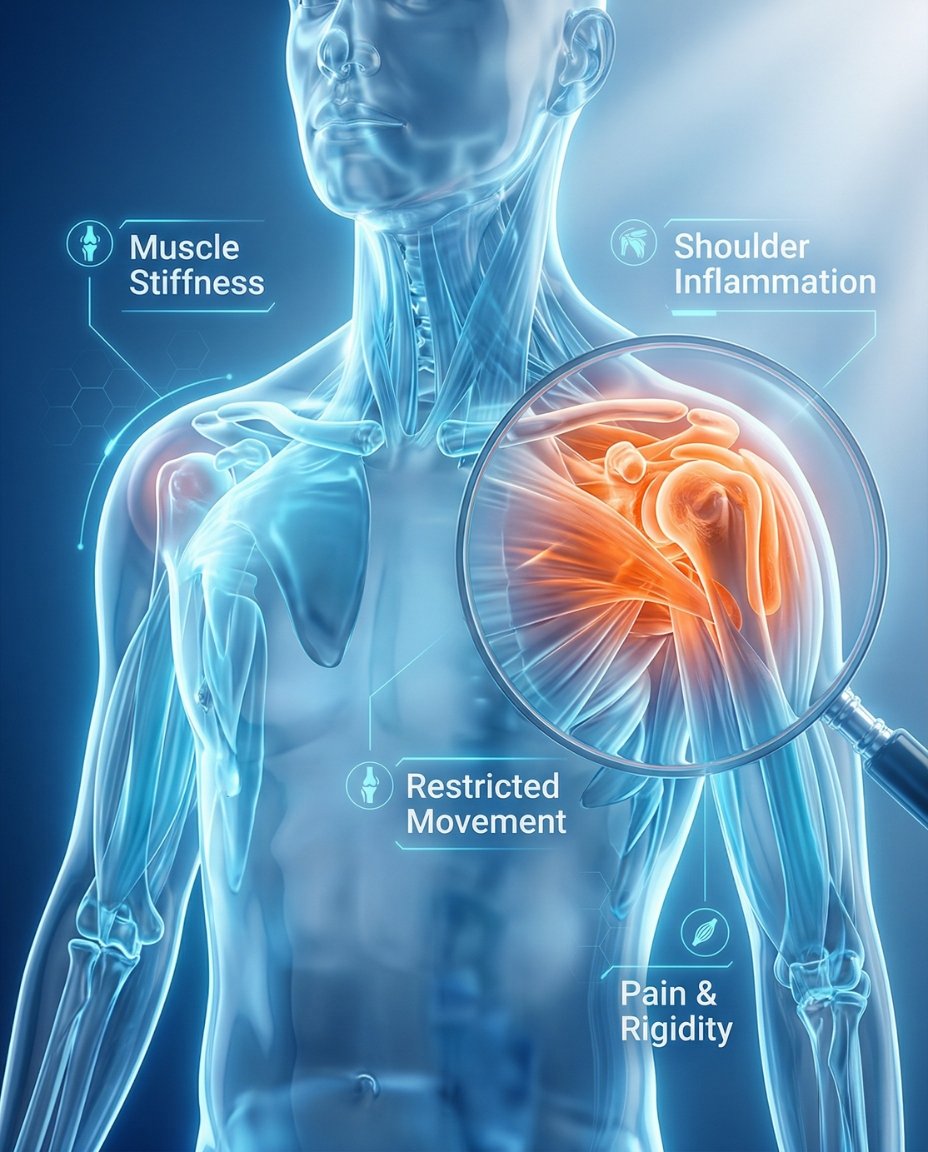
Some patients mainly feel pain with lifting the arm or reaching overhead, while others notice stiffness, weakness, catching, swelling, numbness, or pain at night. The underlying cause may be mechanical, inflammatory, neurologic, traumatic, or sometimes even referred from another part of the body. Because the treatment depends heavily on the diagnosis, getting the cause right matters.
Table of Contents
- What Is Shoulder Pain? Simple medical definition
- Shoulder pain at a glance
- Common causes of shoulder pain
- Shoulder pain symptoms (what it feels like)
- Causes & risk factors
- How shoulder pain is recognized
- Related conditions & whole-body impact
- Prognosis (what to expect long-term)
- Understanding shoulder pain: complete condition explanation
- Shoulder pain vs neck-related pain
- Diagnosis: exam, imaging, testing
- Treatment: symptom relief + cause-directed care
- Treatment targets (pain, motion, strength, function)
- Rotator cuff pain vs frozen shoulder (quick table)
- When to seek urgent care
- Downloadable shoulder pain symptom checklist
- Related conditions (internal links)
- FAQs
- Conclusion + next steps
What Is Shoulder Pain? Simple Medical Definition
Shoulder pain is a symptom arising from injury, inflammation, degeneration, instability, nerve irritation, or referred pain involving the shoulder complex or nearby structures. In short, clinically, what is shoulder pain? It is discomfort in or around the shoulder that may come from the glenohumeral joint, acromioclavicular joint, rotator cuff, bursae, tendons, muscles, nerves, cervical spine, or other referred sources.
Shoulder Pain at a Glance
Many possible causes Shoulder pain can come from tendons, bursae, joints, ligaments, muscles, nerves, or referred pain
Movement pattern matters Pain with overhead use, reaching, or sleeping on the side gives important clues
Stiffness and weakness differ Some problems mainly restrict motion, while others mainly weaken the arm
Injury is only one cause Overuse, arthritis, inflammation, and nerve issues are also common
Urgent causes exist Fracture, dislocation, infection, or referred cardiac pain need fast attention
Shoulder pain is not one single disease. It is a symptom with many possible causes, and the treatment depends on the exact problem.
Common Causes of Shoulder Pain
Most shoulder problems fall into a few broad categories: tendon or bursa irritation, instability, arthritis, stiffness, fracture, or referred pain. Rotator cuff tendinitis or tear, bursitis, impingement, frozen shoulder, osteoarthritis, acromioclavicular joint problems, dislocation, and neck-related pain are among the most common diagnoses. The history of trauma, the exact location of pain, and the pattern of weakness or stiffness often help narrow the cause.
Rotator cuff disorders Tendinitis, strain, or tear causing pain and weakness
Bursitis or impingement Pain with lifting the arm or overhead motion
Frozen shoulder Pain plus marked stiffness and loss of motion
Arthritis Joint wear, inflammation, or degeneration causing chronic pain
Instability or trauma Dislocation, sprain, fracture, or separation causing acute pain
Shoulder pain symptoms (what it feels like)
Typical shoulder pain symptoms include aching, sharp pain, stiffness, weakness, swelling, clicking, catching, or pain with movement. Some patients cannot raise the arm fully, while others mainly notice night pain, pain reaching overhead, pain behind the back, or pain when lying on the affected side. If the cause is coming from the neck or nerves, numbness, tingling, or pain radiating down the arm may also occur.
Front of shoulder • Top of shoulder • Side of shoulder • Back of shoulder • Upper arm • Neck and arm referral patterns
Overuse, injury
Inflammation
Tendon, bursa
Joint or nerve
Pain, stiffness
Weakness, catching
Find cause
Restore motion
Wheel shows a simplified pathway: injury, overuse, inflammation, or referred pain → shoulder dysfunction → pain, weakness, or stiffness → diagnosis and targeted treatment.
Images for patient education
Overhead pain
Night pain and weakness

Stiffness and limited motion
Causes & risk factors
Shoulder pain can be caused by repetitive use, sports injury, poor posture, degeneration, arthritis, falls, lifting injuries, tendon disease, instability, or referred pain from the neck. Age, overhead activity, diabetes, prior injury, inflammatory arthritis, and repetitive work can all increase risk for common shoulder disorders. Sometimes the pain is not primarily from the shoulder at all, which is why neck symptoms, chest symptoms, and nerve-related clues are important during evaluation.
- Rotator cuff strain, tendinitis, or tear
- Bursitis or shoulder impingement
- Frozen shoulder or loss of capsule motion
- Arthritis, instability, or dislocation
- Cervical radiculopathy or referred pain from the neck
- Less common urgent causes such as infection, fracture, or cardiac referral
Evidence-based references (guidelines + high-quality sources)
General symptom overview: Mayo Clinic. Clinical overview: Cleveland Clinic. Self-care and when to seek help: NHS.
How Shoulder Pain Is Recognized
Shoulder pain is recognized by carefully matching the symptom pattern to the structure most likely involved. Clinicians ask where the pain is located, what movements trigger it, whether there was an injury, and whether weakness, stiffness, numbness, fever, or night pain are present. A physical exam that checks range of motion, strength, tenderness, and special shoulder maneuvers often provides the most important clues.
Pain location and movement pattern
Overhead pain, night pain, or stiffness pattern
Weakness vs stiffness vs instability clues
History of trauma, repetitive use, or diabetes
Neck or nerve symptoms that suggest referred pain
Imaging or urgent referral when red flags are present
Related conditions & whole-body impact
Shoulder pain can affect sleep, work, driving, exercise, self-care, and mental well-being, especially when pain becomes chronic. It may occur alongside diabetes, inflammatory arthritis, neck problems, repetitive strain conditions, or previous shoulder injuries. In long-lasting cases, pain can lead to loss of movement and weakness simply because the arm is used less.
- Sleep disruption, especially from night pain
- Reduced ability to dress, lift, reach, or drive
- Weakness or stiffness from guarding the arm
- Diabetes and frozen shoulder risk
- Coexisting neck pain or nerve symptoms
- Reduced sports or work performance
Prognosis (what to expect long-term)
Many causes of shoulder pain improve with conservative treatment, especially when the diagnosis is made early and the right rehab plan is started. Recovery time varies widely because a mild tendon irritation is very different from a frozen shoulder, rotator cuff tear, fracture, or dislocation. Persistent pain, marked weakness, repeated instability, or progressive stiffness usually needs more focused evaluation and treatment.
Many shoulder problems improve without surgery.
The exact recovery timeline depends on the diagnosis and severity.
Persistent weakness, loss of motion, or trauma-related pain should be evaluated further.
Understanding Shoulder Pain: Complete Condition Explanation
The shoulder is not one single joint. It is a group of joints, tendons, bursae, muscles, and stabilizing structures working together. Pain can come from irritation of the rotator cuff, inflammation of a bursa, stiffness of the joint capsule, arthritis, instability, fracture, or pain referred from the neck. This is why two people with “shoulder pain” may need very different treatments even when the pain is in a similar place.
What happens in the shoulder?
In some cases, the pain comes from inflamed soft tissues that hurt when the arm moves. In others, the main problem is stiffness, tendon tearing, joint wear, or instability after an injury. The key is identifying whether the main limitation is pain, weakness, loss of motion, instability, or referred nerve symptoms.
Overuse, injury, inflammation, degeneration, stiffness, instability, or referral from the neck → shoulder dysfunction → pain, weakness, stiffness, or limited use.
Shoulder pain vs neck-related pain
Pain felt in the shoulder can sometimes come from the neck rather than the shoulder itself. Neck-related pain often radiates down the arm and may include numbness, tingling, or burning, while shoulder-generated pain more often worsens with specific shoulder motion and local tenderness. Distinguishing between them matters because the best treatment plan can be completely different.
Shoulder-generated pain is often mechanical and movement-specific.
Neck-related pain often radiates and may include neurologic symptoms.
Correct diagnosis helps avoid treating the wrong body region.
Diagnosis: exam, imaging, testing
Diagnosing shoulder pain starts with history and physical examination. Depending on the suspected cause, clinicians may order X-rays, ultrasound, MRI, or nerve studies, and they may also evaluate the neck if symptoms suggest cervical involvement. Urgent or same-day referral may be needed when infection, unreduced dislocation, fracture, major tear, or serious referred pain is suspected.
Tests often ordered during initial evaluation
Testing is chosen based on the likely cause and whether red flags are present.
- Physical examination assessing range of motion, strength, tenderness, instability, and special shoulder tests.
- X-rays to look for arthritis, fracture, dislocation, calcification, or other bony problems.
- Ultrasound or MRI to evaluate rotator cuff disease, bursitis, impingement, or soft-tissue injury.
- Neck exam and sometimes nerve testing if symptoms radiate or include numbness or weakness.
- Blood tests or aspiration when infection or inflammatory arthritis is suspected.
Treatment: symptom relief + cause-directed care
Effective shoulder pain treatment has two main goals: reduce pain and restore function while treating the true underlying cause. Many shoulder conditions improve with rest, activity modification, ice, anti-inflammatory medication, home exercises, or supervised physical therapy. Depending on the diagnosis, treatment may also include injections, bracing, specialist procedures, or surgery in selected cases.
1) Symptom control (short-term relief)
First-line treatment commonly includes activity modification, ice, over-the-counter pain relievers when appropriate, and temporary reduction of painful overhead or repetitive tasks. Some patients benefit from short-term support such as a sling, though prolonged immobilization is usually avoided unless there is a specific injury. When inflammation is significant, corticosteroid injections may be considered for selected diagnoses.
2) Long-term management (motion, strength, and recurrence prevention)
Physical therapy is one of the most important treatments for many shoulder conditions because it helps restore mobility, scapular control, rotator cuff strength, and movement patterns. The long-term plan depends on the diagnosis: frozen shoulder needs motion-focused care, rotator cuff problems often need strength and mechanics work, and instability may need stabilization training or surgery. Surgery is not necessary for most shoulder pain cases, but it may be needed for severe tears, recurrent dislocation, fractures, or symptoms that do not improve with appropriate conservative care.
3) When additional treatment is needed
- Injection may help selected bursitis, impingement, or inflammatory conditions.
- Specialist referral is important for major weakness, repeated instability, or traumatic injury.
- Surgery may be considered for rotator cuff tears, instability, advanced arthritis, fracture, or failed conservative care.
- Neck-related pain needs a different plan than shoulder-joint disease.
- Infection, fracture, dislocation, or cardiac-related referral needs urgent medical care.
Treatment targets (pain, motion, strength, function)
In shoulder pain, treatment targets focus on lowering pain, restoring movement, improving strength, and helping the patient return to daily activities. Clinicians track pain triggers, range of motion, night pain, weakness, instability, sleep quality, and the patient’s ability to reach, lift, dress, work, and exercise. Good control means more than less pain; it means a shoulder that moves and functions safely again.
| Target area | What your clinician tracks | What “on target” can look like |
|---|---|---|
| Pain control | Rest pain, night pain, overhead pain, side-lying pain, medication response | Less daily pain and better sleep |
| Movement and strength | Range of motion, lifting tolerance, weakness, stiffness, arm use | Improved reach, motion, and shoulder control |
| Function and safety | Work tasks, dressing, driving, sports, instability, recurrence, injury risk | Safer return to normal activity with less recurrence |
Case Study 1 (Example)
Patient developed persistent shoulder pain with limited range of motion, especially while lifting the arm or reaching overhead. Evaluation suggested shoulder pain due to rotator cuff involvement rather than neck- strain or simple muscle soreness.
Rotator cuff pain vs frozen shoulder (quick comparison)
Rotator cuff pain and frozen shoulder are both common causes of shoulder pain, but they feel different. Rotator cuff problems often cause pain and weakness, especially with lifting, while frozen shoulder causes both pain and a major loss of shoulder motion. Distinguishing between them helps guide whether treatment should focus more on strengthening or restoring motion.
| Feature | Rotator cuff pain | Frozen shoulder |
|---|---|---|
| Main problem | Tendon irritation, strain, or tear | Capsule stiffness and restricted joint motion |
| Pain with lifting | Common | Common |
| Weakness | Often present | Usually more stiffness than true weakness |
| Loss of motion | May be mild to moderate | Often marked |
| Rehab focus | Strength, control, tendon loading | Mobility, stretching, capsule motion |
When to seek urgent care
- Severe pain after a fall or injury, especially with deformity, swelling, or inability to move the arm.
- Hot, red, swollen shoulder with fever or feeling unwell.
- Chest pain, shortness of breath, or symptoms suggesting pain may be referred from the heart.
- Numbness, persistent tingling, severe weakness, or sudden loss of arm function.
Call Now for Shoulder Pain Care
⭐ Google Rating: 4.7/5 (184 reviews) • Insurance accepted: Most major plans (verify with office).
Patient testimonial: “I thought shoulder pain was something I just had to live with, but the weakness and night pain kept getting worse. The team helped figure out the cause and gave me a plan that actually worked.”
Call Now: (352) 717-0603 Request AppointmentClinic Address
Rheumatology Care Associates PLLC (RCA)
2611 S US Hwy 27, Clermont, FL 34711
Email: info@rheumatologycareassociates.com
Office hours: Mon 8:30AM–5:00PM; Tue 8:30AM–5:00PM; Wed 8:00AM–3:30PM; Thu 8:30AM–5:00PM; Fri 9:00AM–1:30PM.
Related conditions (internal links)
FAQ
Conclusion
Shoulder pain is common, but it has many possible causes and should not be treated as one single problem. If you have pain, stiffness, weakness, night pain, or trouble lifting your arm, a medical evaluation can help identify the cause and start the right treatment plan.
Disclaimer: This article is for educational purposes and does not replace professional medical advice. Always seek prompt care for trauma-related deformity, fever, chest symptoms, or severe weakness.
© 2026 Rheumatology Care Associates. All rights reserved.