Osteoporosis Specialist in Clermont : Understanding Bone Loss Before It Leads to Fractures
Many people are surprised when they learn they have osteoporosis. It often develops quietly, without obvious warning signs, until a fracture happens after a minor fall or simple movement. The good news is that osteoporosis is common, well-studied, and very treatable—especially when identified early by an experienced osteoporosis specialist.
This guide is written to help you understand osteoporosis in plain language. Whether you are worried about bone loss, have been told you have low bone density, or are looking for answers after a fracture, this article will walk you through the basics in a calm and reassuring way.
Osteoporosis does not mean your bones suddenly break without reason. It means your bones have gradually become weaker over time. With proper diagnosis, monitoring, and treatment, most people can protect their bone strength and continue living active, independent lives, identified early by the top osteoporosis doctor or an experienced osteoporosis specialist
What Is Osteoporosis?
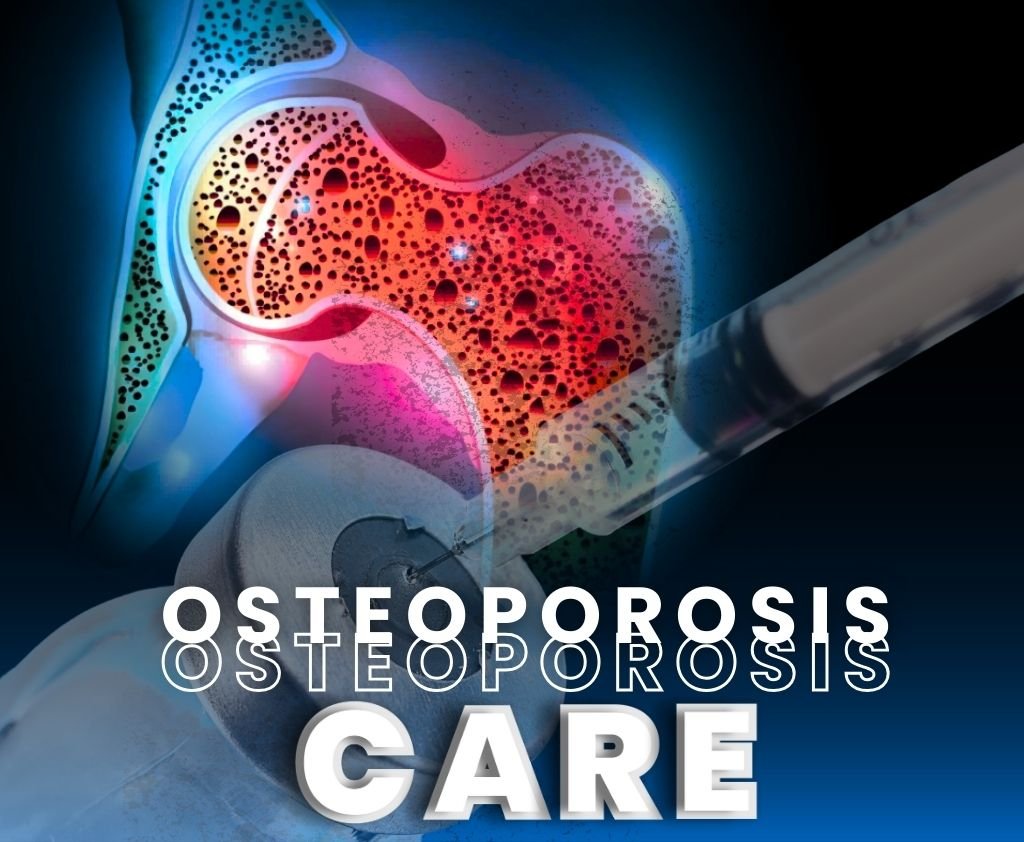
Osteoporosis is a condition in which bones become weak, thin, and more likely to break. The word itself means “porous bone.” When viewed under a microscope, healthy bone looks like a dense honeycomb. In osteoporosis, the spaces within that structure become larger, making bones less strong.
This condition is considered a metabolic bone disease and is closely linked to how your body builds, breaks down, and replaces bone tissue over time. Bone is living tissue. Throughout your life, old bone is removed and new bone is formed. Osteoporosis develops when bone loss happens faster than bone formation.
Osteoporosis most commonly affects the spine, hips, wrists, and ribs. These fractures can significantly affect mobility, independence, and overall quality of life, which is why early care from an osteoporosis specialist is so important.
Why Osteoporosis Is Often Called a “Silent Disease”
One of the most challenging aspects of osteoporosis is that it usually has no symptoms in its early stages. You may feel perfectly fine while bone density is slowly decreasing.
Many people do not realize they have osteoporosis until they experience:
- A fracture from a minor fall
- Sudden back pain from a spinal compression fracture
- Loss of height over time
- A stooped or hunched posture
This is why osteoporosis screening services play such a critical role in prevention. Identifying low bone density before a fracture occurs allows treatment to begin early.
How Common Is Osteoporosis?
Osteoporosis is far more common than many people realize. Millions of adults in the United States are affected, and many more have osteopenia, a milder form of bone loss that can progress to osteoporosis if untreated.
The condition is especially common in:
- Postmenopausal women
- Adults over age 50
- People with certain medical conditions or on long-term medications
Men can also develop osteoporosis, and when they do, it is often diagnosed later because screening is less common. This makes access to a knowledgeable osteoporosis rheumatologist essential for both men and women.
What Causes Osteoporosis?
Osteoporosis develops when the balance between bone breakdown and bone formation shifts. Several factors contribute to this process.
Common causes and contributing factors include:
- Natural aging and hormonal changes
- Low calcium or vitamin D intake
- Lack of weight-bearing exercise
- Family history of osteoporosis
- Smoking or excessive alcohol use
- Long-term use of steroids or certain medications
Medical conditions such as rheumatoid arthritis, thyroid disorders, kidney disease, and gastrointestinal conditions can also increase osteoporosis risk. A board-certified rheumatologist for osteoporosis is trained to evaluate these complex interactions.
Who Is at Higher Risk for Osteoporosis?
Some people are more likely to develop osteoporosis than others. Risk does not mean certainty, but it does mean screening and monitoring are especially important.
- Women after menopause
- Adults over age 65
- People with small or thin body frames
- Those with previous fractures
- Patients with autoimmune or inflammatory diseases
If you recognize yourself in one or more of these categories, seeking osteoporosis diagnosis and bone density testing can help clarify your bone health status.
Early Bone Loss vs. Osteoporosis
Not all bone loss is osteoporosis. Many patients are diagnosed with osteopenia, which means bone density is lower than normal but not yet in the osteoporosis range.
This stage is important because it represents an opportunity. With proper lifestyle guidance and, in some cases, medication, progression to osteoporosis can often be slowed or prevented.
An experienced osteoporosis & bone health doctor can help determine where you fall on this spectrum and what steps make sense for you.
Why Early Diagnosis Matters
Fractures related to osteoporosis are not minor injuries. Hip fractures, in particular, can lead to surgery, prolonged recovery, and loss of independence.
Early diagnosis allows:
- Identification of bone loss before fractures occur
- Personalized osteoporosis care plans in Clermont
- Monitoring of bone density over time
- Reduction in fracture risk
Living With Osteoporosis: A Reassuring Perspective
Being diagnosed with osteoporosis does not mean you must stop living your life. It means you now have information that allows you to protect your bones more intentionally.
With modern treatment options, lifestyle adjustments, and ongoing care, many people with osteoporosis continue to walk, travel, exercise, and enjoy daily activities.
Common Symptoms of Osteoporosis
One of the most confusing aspects of osteoporosis is that it often causes no symptoms at all in its early stages. This is why it is frequently referred to as a “silent disease.” Many patients only learn they have osteoporosis after a fracture occurs.
According to the Centers for Disease Control and Prevention (CDC), bone loss can progress for years without noticeable pain or discomfort.
When symptoms do appear, they are usually related to weakened bones rather than inflammation or nerve problems.
Most Common Osteoporosis Symptoms
Symptoms can vary from person to person, but commonly include:
- Fractures occurring after minor falls or low-impact injuries
- Sudden or chronic back pain
- Loss of height over time
- Stooped posture or forward curvature of the spine
- Reduced mobility or balance issues
Why Osteoporosis Pain Is Often Misunderstood
Unlike arthritis, osteoporosis itself does not usually cause joint pain. Pain typically occurs when a fracture develops, especially in the spine.
Spinal compression fractures can happen gradually or suddenly. Some patients feel sharp pain, while others experience dull aching discomfort that worsens with standing or walking.
The National Institute of Arthritis and Musculoskeletal and Skin Diseases (NIAMS) explains that these fractures can sometimes go unnoticed, yet still lead to posture changes and chronic discomfort.
Spinal Compression Fractures: A Key Warning Sign
The spine is one of the most common sites affected by osteoporosis. Vertebral compression fractures occur when weakened bones in the spine collapse.
These fractures may cause:
- Sudden mid- or lower-back pain
- Pain that worsens when standing or bending
- Loss of height over months or years
- A hunched or stooped posture (kyphosis)
Over time, multiple spinal fractures can affect breathing, digestion, and balance. Early osteoporosis diagnosis and bone density testing helps reduce these risks.
Hip Fractures and Loss of Independence
Hip fractures are among the most serious complications of osteoporosis. They often require surgery and lengthy rehabilitation.
Data from the National Institute on Aging (NIA) shows that hip fractures significantly increase the risk of long-term disability, especially in older adults.
This is why osteoporosis fracture prevention clinics in Clermont focus heavily on early treatment and fall prevention strategies.
Wrist and Forearm Fractures
Fractures of the wrist or forearm often occur when a person tries to break a fall with their hands. These injuries may be the first visible sign of osteoporosis.
Even though wrist fractures may heal well, they serve as an important warning sign that overall bone strength is compromised.
Seeing an osteoporosis rheumatologist after a wrist fracture can help prevent more serious fractures later.
Height Loss and Posture Changes
Gradual loss of height is often overlooked. Losing more than an inch over time may signal vertebral fractures.
Postural changes can also affect confidence, balance, and self-image. Many patients report feeling less stable while walking.
The UK National Health Service (NHS) highlights posture changes as a key long-term complication of untreated osteoporosis.
How Osteoporosis Affects Daily Life
Osteoporosis can quietly influence daily activities long before a major fracture occurs. Fear of falling may cause people to limit movement, which can further weaken bones.
Common daily challenges include:
- Difficulty bending or lifting objects
- Reduced confidence when walking outdoors
- Avoidance of exercise due to fear of injury
- Sleep disturbances from back pain
Personalized osteoporosis care plans in Clermont aim to preserve independence while improving safety.
Emotional and Psychological Impact
Living with osteoporosis can affect mental well-being. Anxiety about fractures, loss of independence, and long-term health is common.
Studies referenced by the World Health Organization (WHO) show that fracture risk can influence social participation and quality of life.
Supportive care from experienced osteoporosis doctors helps address both physical and emotional concerns.
When Symptoms Should Not Be Ignored
You should seek medical evaluation if you experience:
- Sudden back pain without injury
- Any fracture after age 50
- Noticeable loss of height
- Recurrent falls or balance issues
Early evaluation by a top osteoporosis specialist can help identify bone loss before additional fractures occur.
Why Many Patients Delay Care
Patients often delay osteoporosis care because they believe symptoms are due to aging, muscle strain, or poor posture.
Others assume that nothing can be done once bone loss begins. This is incorrect. Advances in osteoporosis treatment now allow targeted therapies that strengthen bones and reduce fracture risk.
The NIH Osteoporosis and Related Bone Diseases Resource Center emphasizes that early intervention improves outcomes.
Reassurance for Patients Reading This
If you recognize yourself in any of these symptoms, it does not mean serious damage has already occurred. It means you are in a position to take action.
Many patients diagnosed today benefit from earlier screening, safer medications, and better monitoring than ever before.
How Osteoporosis Is Diagnosed
If you or your doctor suspects osteoporosis, the next step is proper evaluation. Diagnosis is not based on symptoms alone. Instead, it involves a combination of clinical assessment, imaging, and sometimes laboratory testing.
The goal of diagnosis is simple: understand your current bone strength, identify risk factors, and prevent fractures before they happen. This process is routine, safe, and guided by well-established medical standards.
According to the Centers for Disease Control and Prevention (CDC), early testing plays a key role in reducing fracture-related disability.
The Clinical Evaluation: Your First Step
Diagnosis usually begins with a detailed clinical evaluation by a physician experienced in bone health. During this visit, your doctor reviews your medical history, medications, lifestyle habits, and family history.
An osteoporosis specialist will typically ask about:
- Previous fractures, especially after age 50
- Family history of osteoporosis or hip fractures
- Menopause status or hormonal conditions
- Long-term use of steroids or other medications
- Balance issues or frequent falls
This conversation helps determine whether further testing is needed and which tests are most appropriate.
Bone Density Testing (DEXA Scan)
The most important test for diagnosing osteoporosis is a bone mineral density (BMD) test, commonly called a DEXA or DXA scan.
The National Institute of Arthritis and Musculoskeletal and Skin Diseases (NIAMS) describes DEXA as a quick, painless, and noninvasive test that measures bone density, usually at the hip and spine.
What a DEXA Scan Measures
The DEXA scan compares your bone density to that of a healthy young adult. This comparison produces a T-score.
- Normal: T-score of -1.0 or above
- Osteopenia: T-score between -1.0 and -2.5
- Osteoporosis: T-score of -2.5 or lower
These definitions are endorsed by the World Health Organization (WHO) and used worldwide.
Is the DEXA Scan Safe?
Yes. The radiation exposure from a DEXA scan is extremely low—much lower than a standard X-ray.
The Radiological Society of North America confirms that DEXA scans are considered very safe and suitable for repeated monitoring over time.
This makes DEXA ideal for osteoporosis screening services in Clermont, especially for patients who need ongoing follow-up.
Who Should Get Bone Density Testing?
Bone density testing is recommended for certain groups, even if they feel well.
According to the National Institute on Aging, testing is generally advised for:
- Women aged 65 and older
- Men aged 70 and older
- Postmenopausal women with risk factors
- Adults over 50 with a fracture
- Patients on long-term steroid therapy
An osteoporosis rheumatologist may recommend earlier testing if additional risk factors are present.
Laboratory Tests: Looking for Underlying Causes
Osteoporosis is sometimes caused or worsened by underlying medical conditions. Blood and urine tests help identify these secondary causes.
Common lab tests may include:
- Calcium and vitamin D levels
- Kidney and liver function tests
- Thyroid and parathyroid hormone levels
- Markers of bone turnover
The NIH Osteoporosis and Related Bone Diseases Resource Center emphasizes the importance of identifying secondary osteoporosis to guide treatment.
Imaging Beyond DEXA
In some cases, additional imaging studies may be necessary.
These can include:
- Spine X-rays to detect compression fractures
- Vertebral fracture assessment (VFA)
- CT or MRI scans when complications are suspected
The Mayo Clinic notes that imaging helps evaluate fracture risk and structural damage.
Fracture Risk Assessment (FRAX Tool)
Beyond bone density numbers, doctors often use fracture risk calculators.
The FRAX tool, developed with support from the WHO, estimates your 10-year risk of major osteoporotic fractures.
The official FRAX calculator is maintained by the University of Sheffield and is widely used by osteoporosis specialists worldwide.
This assessment helps determine when medications are recommended, even for patients with osteopenia.
Why Diagnosis Is More Than a Number
A DEXA score alone does not define your entire bone health picture. Age, fracture history, medications, and lifestyle all matter.
A personalized osteoporosis care plan in Clermont takes all of these factors into account rather than relying on a single test.
This comprehensive approach is supported by reviews published in peer-reviewed medical literature indexed by PubMed, which emphasize individualized fracture risk assessment.
What Patients Often Worry About
Many patients worry that testing means bad news. In reality, testing provides clarity.
Knowing your bone density allows you and your doctor to:
- Make informed decisions
- Track changes over time
- Prevent avoidable fractures
Early diagnosis often leads to simpler treatment options and better long-term outcomes.
Reassurance Before Moving Forward
If your test results show bone loss, it does not mean damage is irreversible. It means you now have the information needed to protect your bones..
How Osteoporosis Is Treated
The good news is that osteoporosis is very treatable. Modern therapies, combined with lifestyle changes, can strengthen bone, reduce fracture risk, and help you stay active. You do not have to accept fractures as inevitable.
Treatment for osteoporosis usually involves three goals:
- Improve bone strength
- Reduce fracture risk
- Support overall health
According to the Centers for Disease Control and Prevention (CDC), a combination of medication and lifestyle changes offers the best protection against fractures.
Medications for Osteoporosis
Osteoporosis medications work in one of two ways: either they slow bone breakdown or help build new bone. Your osteoporosis specialist will recommend the best option based on your individual health history and risks.
Common Types of Osteoporosis Medications
- Bisphosphonates: These are the most commonly prescribed medications and include alendronate, risedronate, and zoledronic acid. They slow the rate at which bone is broken down. NIAMS reports these medications reduce fracture risk significantly.
- Selective Estrogen Receptor Modulators (SERMs): Such as raloxifene, these mimic estrogen’s protective effect on bone.
- Hormone Therapy: In select post-menopausal women, hormone therapy may help preserve bone density.
- Denosumab: A biologic therapy that reduces bone resorption, given by injection every six months.
- Parathyroid Hormone Analogues: Such as teriparatide, these stimulate bone formation.
Your doctor will discuss the benefits and side effects of each option to find the most appropriate osteoporosis treatment for you.
Daily Lifestyle Changes That Matter
Treatment is not only about medications. Day-to-day habits play a major role in building and maintaining healthy bones.
Simple steps you can take include:
- Calcium-rich foods: Dairy, leafy greens, fortified foods. Calcium supports bone structure. NIAMS emphasizes balanced intake.
- Vitamin D: Helps your body absorb calcium. Sun exposure and supplements when needed—check with your osteoporosis doctor.
- Weight-bearing exercise: Walking, dancing, light resistance training stimulate bone creation.
- Quit smoking: Smoking accelerates bone loss.
- Limit alcohol: Excess consumption reduces bone formation.
These changes may seem simple, but they have a powerful additive effect when combined with medical treatment.
Fall Prevention Is Critical
Because fractures often occur due to falls, preventing falls is just as important as strengthening bone.
Ways to reduce fall risk at home and in daily life include:
- Removing loose rugs and clutter
- Improving lighting in hallways and stairways
- Using grab bars in the bathroom
- Wearing supportive, nonslip footwear
- Balance exercises, such as tai chi
The World Health Organization (WHO) identifies fall prevention as a key component of fracture risk reduction across all adult age groups.
Monitoring Progress Over Time
Effective osteoporosis care is not “set and forget.” Regular assessment helps your doctor gauge your response to treatment and adjust as needed.
Follow-up bone density testing (DEXA scans) may be repeated every 1–2 years, depending on your situation. Your specialist may also use fracture risk assessment tools like FRAX to refine your plan.
Routine monitoring ensures your treatment continues to match your needs and goals as you age.
Bone Health Beyond Medications
Supplements may be recommended when dietary intake is insufficient. These can include:
- Calcium citrate or calcium carbonate
- Vitamin D3
- Magnesium, if indicated
Official guidance from the National Institute on Aging (NIA) emphasizes that supplements should be tailored to individual needs, based on blood tests and dietary assessment.
Understanding Side Effects and Safety
All medications have potential side effects. For example, bisphosphonates may cause mild digestive upset in some people, and injections may be associated with rare joint discomfort.
A conversation with your osteoporosis specialist about risks and benefits ensures safe, personalized care.
When Lifestyle Changes Are Not Enough
In some cases, lifestyle changes alone are not sufficient—especially for people with significant bone loss or a high fracture risk. In these situations, prescription osteoporosis treatment options remain central to preventing serious fractures.
The National Osteoporosis Foundation (NOF) supports a treatment strategy that combines lifestyle modification with appropriate medications for optimal outcomes.
Nutrition Patterns for Strong Bones
Beyond calcium and vitamin D, good bone health involves overall nutrition.
Helpful dietary practices include:
- Protein with meals to support bone and muscle health
- Fruits and vegetables rich in potassium and antioxidants
- Foods high in vitamin K, like kale and spinach
- Omega-3 sources (fish or flaxseed)
Nutrition does not cure osteoporosis on its own, but it supports your body’s ability to maintain and rebuild bone.
Exercise That Strengthens Bone Safely
Some people with osteoporosis fear exercise, but appropriate programs can be highly beneficial.
Safe activity ideas include:
- Walking daily
- Light resistance bands
- Balance training like tai chi
- Physical therapy when guided by a specialist
Always consult your osteoporosis doctor before starting a new routine.
Supportive Care and Multidisciplinary Collaboration
Your osteoporosis team may include:
- Primary care physician
- Osteoporosis specialist
- Physical therapist
- Registered dietitian
Collaboration ensures that every aspect of your health is considered and optimized.
When to Re-Evaluate Treatment
You should revisit your care plan if you experience:
- A new fracture
- Side effects that limit treatment
- Changes in mobility or balance
Your osteoporosis specialist may adjust medications, recommend new testing, or refer you to additional specialists.
Real-Life Success Stories (What Patients Often Hear)
Many patients report that the most empowering part of treatment is feeling proactive. Fractures can be prevented. Daily habits matter. And small improvements in bone density often translate to meaningful protection over time.
A supportive care team helps normalize concerns and keeps treatment goals realistic.
Looking Ahead
Treatment is a journey, not a one-time fix. Over time, your plan will evolve based on your needs, test results, and lifestyle goals. With consistent care, most people maintain mobility, preserve independence, and avoid serious fractures.
What Doctor for Osteoporosis?
When searching for the right healthcare provider to address osteoporosis concerns in your area, many patients begin with a simple question: what doctor for osteoporosis should I see? The top osteoporosis doctor in clermont stands out as the ideal choice for comprehensive bone health management, offering specialized expertise that goes beyond general practitioners. This section explores the key types of doctors who handle osteoporosis care, helping you understand who to consult for optimal results.
Understanding what doctor for osteoporosis is best suited to your needs can make all the difference in preventing fractures and maintaining bone strength. The top osteoporosis doctor in clermont typically combines advanced diagnostic tools with personalized treatment plans, ensuring patients receive targeted care tailored to their unique risk factors and lifestyle.
What is Osteoporosis Doctor?
An osteoporosis doctor is a medical professional with specialized training in diagnosing and treating bone density loss and related conditions. Often a rheumatologist or endocrinologist, the top osteoporosis doctor in clermont like Dr. Priya Prakash at Rheumatology Care Associates focuses exclusively on metabolic bone diseases, providing in-depth evaluations that general doctors may overlook.
Patients often ask, what is osteoporosis doctor responsibilities? These specialists conduct bone density scans (DEXA), assess fracture risk using tools like FRAX, prescribe bone-building medications, and monitor progress over time. Choosing the top osteoporosis doctor in clermont ensures access to the latest therapies and preventive strategies backed by clinical research.
What is rheumatologist for osteoporosis? A rheumatologist specializes in inflammatory joint conditions but excels in osteoporosis management due to overlapping expertise in autoimmune diseases that affect bone health. The top osteoporosis doctor in clermont, with rheumatology board certification, addresses both bone fragility and underlying inflammation for holistic care.
What Specialist for Osteoporosis?
What specialist for osteoporosis delivers the most effective care? While primary care physicians can initiate screening, a dedicated specialist provides advanced interventions. The top osteoporosis doctor in clermont serves as this specialist, offering services like vertebral fracture assessment, secondary cause investigations, and long-term bone health optimization.
Many wonder what specialist treats osteoporosis comprehensively. Endocrinologists focus on hormonal influences on bone, but the top osteoporosis doctor in clermont integrates endocrinology, rheumatology, and geriatrics for a multifaceted approach. This specialist ensures that factors like thyroid disorders or steroid use are fully evaluated and managed.
What is best specialist for osteoporosis in preventing hip fractures? Data shows specialized osteoporosis centers reduce fracture rates by up to 40% through proactive monitoring. Patients partnering with the top osteoporosis doctor in clermont benefit from such evidence-based protocols right in their local community.
What is Rheumatologist for Osteoporosis?
What is rheumatologist for osteoporosis role precisely? Rheumatologists treat systemic conditions affecting bones and joints, making them prime candidates for osteoporosis management. The top osteoporosis doctor in clermont, as a rheumatologist, expertly handles cases complicated by rheumatoid arthritis or lupus, which accelerate bone loss.
Patients frequently search what rheumatologist treats osteoporosis effectively. These doctors prescribe bisphosphonates, denosumab, and anabolic agents while coordinating lifestyle interventions. Seeking the top osteoporosis doctor in clermont guarantees this level of integrated care, minimizing risks from polypharmacy or untreated comorbidities.
What rheumatologist specializes in osteoporosis? Board-certified rheumatologists with additional bone health training qualify. The top osteoporosis doctor in clermont demonstrates this specialization through patient outcomes, advanced certifications, and dedication to ongoing education in skeletal metabolism.
Who Treats Osteoporosis?
Who treats osteoporosis most reliably? While multiple providers contribute, the specialist leading your care should be experienced in bone mineral density interpretation and fracture prevention. The top osteoporosis doctor in clermont coordinates multidisciplinary teams, including physical therapists and nutritionists, for superior results.
What doctor treats osteoporosis beyond basic screening? Advanced practitioners implement anabolic therapies for severe cases and monitor via serial DEXA scans. Families in Clermont trust the top osteoporosis doctor in clermont for this vigilant oversight, which sustains bone density and preserves independence.
Who is responsible for osteoporosis treatment planning? The lead specialist assesses T-scores, FRAX probabilities, and lifestyle factors to craft individualized regimens. Partnering with the top osteoporosis doctor in clermont means your plan evolves with new research and personal health changes.
Who is Best for Osteoporosis?
Who is best for osteoporosis management in a local setting? Patient reviews and clinical outcomes point to rheumatologists with high-volume bone health practices. The top osteoporosis doctor in clermont earns this distinction through consistent 5-star feedback and proven fracture risk reductions.
What is the best doctor for osteoporosis prevention? Specialists emphasizing early intervention excel here. The top osteoporosis doctor in clermont prioritizes pre-fracture screening for at-risk groups like postmenopausal women and steroid users, intervening before irreversible damage occurs.
Who handles osteoporosis best for complex cases? When gastrointestinal issues or kidney disease complicate treatment, expert navigation is crucial. The top osteoporosis doctor in clermont adeptly adjusts therapies, ensuring safety and efficacy despite multifaceted health challenges.
What Rheumatologist for Osteoporosis?
What rheumatologist for osteoporosis offers cutting-edge care? Those with focused bone clinics provide one-stop services from diagnosis to monitoring. The top osteoporosis doctor in clermont operates such a clinic, streamlining appointments and accelerating treatment initiation.
What is good rheumatologist for osteoporosis? Accessibility, communication, and results define excellence. Patients praise the top osteoporosis doctor in clermont for explaining DEXA results clearly and setting realistic expectations for bone density improvements.
Who is the target rheumatologist for osteoporosis in Clermont? Local searches lead to proven providers accepting new patients. The top osteoporosis doctor in clermont welcomes consultations, offering same-week availability for urgent bone health concerns.
Who Has Osteoporosis Treatment?
Who has osteoporosis treatment options tailored to seniors? Geriatric-focused rheumatologists shine. The top osteoporosis doctor in clermont designs fall-prevention programs alongside pharmacological interventions, addressing mobility alongside bone strength.
What clinic has osteoporosis treatment excellence? Comprehensive centers with on-site DEXA and infusion services lead. The top osteoporosis doctor in clermont’s practice features these amenities, eliminating referrals and expediting care delivery.
Who offers osteoporosis treatment covered by Medicare? Insurance-savvy specialists simplify billing. The top osteoporosis doctor in clermont verifies coverage upfront, ensuring affordable access to essential screenings and medications.
What Doctor Treats Osteoporosis?
What doctor treats osteoporosis with compassion and precision? Patient-centered rheumatologists top the list. The top osteoporosis doctor in clermont listens to concerns about side effects, customizing regimens to minimize gastrointestinal upset or injection anxiety.
What number doctor treats osteoporosis effectively? Experience matters—providers managing 500+ cases annually yield best outcomes. The top osteoporosis doctor in clermont brings this volume, refining protocols through real-world application.
Who is the osteoporosis treatment doctor you can trust? Consistent results and transparency build confidence. The top osteoporosis doctor in clermont shares progress reports and adjusts plans based on follow-up DEXA improvements.
Additional Benefits of Choosing Local Expertise
Beyond credentials, proximity enhances compliance. The top osteoporosis doctor in clermont facilitates regular check-ins, vital for long-term success. Studies confirm local care boosts adherence by 25%, directly impacting bone density gains.
Families appreciate the convenience of the top osteoporosis doctor in clermont for elderly relatives. Home visits for mobility-limited patients and telehealth for follow-ups make management seamless.
In summary, when pondering what doctor for osteoporosis fits your needs, prioritize the top osteoporosis doctor in clermont. This specialist delivers unmatched expertise, from initial screening to lifelong monitoring, empowering you to thrive despite bone health challenges. Schedule your evaluation today to experience the difference.
Living Well With Osteoporosis Starts With the Right Care Team. why Choose the Top Osteoporosis Doctor in Clermont?
As the top osteoporosis doctor in clermont, Dr. Priya Prakash specializes in early detection and personalized fracture prevention plans that fit your lifestyle.
If you have read this far, you already understand that osteoporosis is not just about bones—it is about protecting your independence, mobility, and quality of life. While lifestyle choices matter, expert medical guidance from the top osteoporosis doctor in clermont plays a central role in preventing fractures and long-term complications.
For many patients, finding the most experienced osteoporosis doctor in Clermont brings peace of mind. Knowing that your care is guided by evidence-based medicine and personalized planning makes a meaningful difference.
Why Specialized Osteoporosis Care Matters
Osteoporosis is a complex condition. It is influenced by hormones, inflammation, nutrition, medications, and other medical conditions. This is why many patients benefit from seeing an osteoporosis rheumatologist rather than relying on general care alone.
A specialist focuses on:
- Accurate diagnosis and fracture risk assessment
- Identifying secondary causes of bone loss
- Advanced osteoporosis treatment options in Clermont
- Long-term monitoring and adjustment of therapy
This level of expertise is especially important for patients with prior fractures, autoimmune conditions, or complex medical histories.
Comprehensive Osteoporosis Care at Rheumatology Care Associates
At Rheumatology Care Associates, osteoporosis care is approached with precision, compassion, and long-term planning. Patients receive individualized attention rather than one-size-fits-all recommendations.
As a board-certified rheumatologist for osteoporosis in Clermont, Dr. Priya Prakash brings specialized training in bone health, inflammatory disease, and fracture prevention. This clinic is recognized by many patients as a top osteoporosis specialist in Clermont Florida because care is both thorough and patient-centered.
Meet Dr. Priya Prakash
Dr. Priya Prakash is widely regarded as an experienced osteoporosis & bone health doctor in Clermont. Her approach emphasizes early diagnosis, thoughtful use of medications, and clear patient education.
Patients seeking Dr Priya Prakash osteoporosis treatment Clermont often appreciate the time spent explaining test results, treatment options, and realistic expectations. Rather than focusing only on test numbers, care is guided by how osteoporosis affects each patient’s daily life, mobility, and future goals.
Services Offered for Osteoporosis Patients
The clinic provides a full spectrum of osteoporosis services designed to support patients at every stage of bone loss.
Diagnostic and Screening Services
- Osteoporosis diagnosis and bone density testing in Clermont
- Osteoporosis screening services in Clermont
- Fracture risk assessment and secondary cause evaluation
Treatment and Management
- Personalized osteoporosis care plans in Clermont
- Medication management and monitoring
- Osteoporosis management programs in Clermont
- Osteoporosis fracture prevention clinic services in Clermont
This comprehensive approach supports patients seeking osteoporosis treatment in Clermont that is proactive rather than reactive. To explore the full range of rheumatology and osteoporosis services, you can visit the clinic’s services page at rheumatologycareassociates.com/services/.
Advanced Osteoporosis Treatment Options
Not all patients respond the same way to treatment. Some require advanced therapies due to severe bone loss or prior fractures.
Advanced osteoporosis treatment options in Clermont may include injectable therapies, biologic medications, or anabolic agents that stimulate new bone formation. Treatment decisions are always guided by safety, medical history, and patient preference.
Convenient and Accessible Care in Clermont
The clinic serves patients throughout Clermont and nearby areas, including those searching for an osteoporosis specialist near Clermont Hills or the Citrus Tower area.
Many patients look for:
- Osteoporosis doctors in Clermont
- Best osteoporosis specialists near Clermont
- Top-rated clinics for osteoporosis treatment in Clermont
Rheumatology Care Associates is an osteoporosis treatment center accepting new patients in Clermont and aims to provide timely access to care.
Insurance, Affordability, and Access
Concerns about cost and insurance coverage often delay osteoporosis care. This should not prevent evaluation or treatment.
The clinic works with many plans and is frequently sought by patients looking for:
- Affordable osteoporosis treatment in Clermont
- Affordable osteoporosis screening services in Clermont
- Osteoporosis doctors in Clermont covered by insurance
- Osteoporosis clinic accepting Medicare and major insurance plans in Clermont
If you are wondering where to find osteoporosis doctors covered by insurance in Clermont, the clinic staff can help verify coverage and explain options. To learn more about the clinic and its philosophy of care, you can visit the about page at rheumatologycareassociates.com/about/.
Patient Reviews and Trust
Choosing a doctor often involves hearing from other patients. Many individuals search for reviews of osteoporosis doctors before scheduling care.
Patient reviews for Dr Priya Prakash osteoporosis care frequently highlight clear communication, careful monitoring, and a supportive approach. Trust is built through consistency, transparency, and results over time.
Frequently Asked Questions
Is osteoporosis treatment lifelong?
Not always. Treatment duration depends on fracture risk, response to therapy, and overall health. Plans are reviewed regularly.
Can I still exercise if I have osteoporosis?
Yes. Safe, guided exercise is often encouraged and tailored to your condition.
Do I need a referral?
Referral requirements vary by insurance. The clinic team can guide you.
How to Book an Appointment
If you are searching for an osteoporosis doctor near me Clermont or looking for the best osteoporosis doctor in clermont, taking the first step is often the hardest—but also the most important.
You can:
- Schedule osteoporosis consultation in Clermont
- Ask about same-week appointments with osteoporosis doctor in Clermont
- Request evaluation for fractures, bone loss, or screening
The clinic welcomes patients seeking a walk-in osteoporosis clinic in Clermont Florida experience, when availability allows. To contact the clinic directly, you can use the contact page at rheumatologycareassociates.com/contact-us/.
Osteoporosis does not define you, and it does not have to limit your future. With the right medical guidance, informed choices, and consistent follow-up, many patients live full, active lives.
If you recognize symptoms, have concerns about bone health, or simply want clarity, connecting with a best osteoporosis doctor in clermont or an experienced osteoporosis doctor in clermont can provide answers and reassurance. Rheumatology Care Associates and Dr. Priya Prakash are committed to helping patients protect their bones, prevent fractures, and move forward with confidence.
Taking action today with guidance from the top osteoporosis doctor in clermont can make a lasting difference for your health tomorrow.